Wolong
- Wolong is located in western section of the Sichuan basin
- Southeast part of the Aba Tibetan & Qiang Autonomous Prefecture
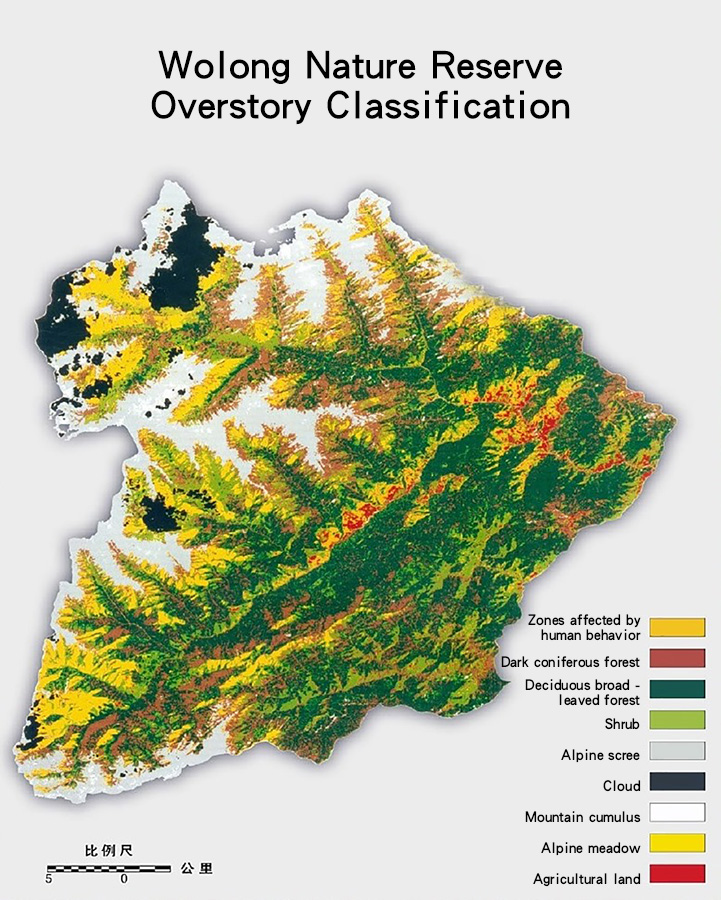
- The Nature Reserve area spans 52 kilometers from the easternmoust to the westernmoust points, and 62 kilometers from the northernmost and southernmost points, with total area of approximately 200,000 hectares.
- The eastern section of the Nature Reserve is near Yinxiu Town in Wenchuan County, the southern section close to Dayi and Lushan Counties. The western section is near Baoxing and Xiaojin Counties, and the northern section is close to Li County and Caopo Village in Wenchuan.
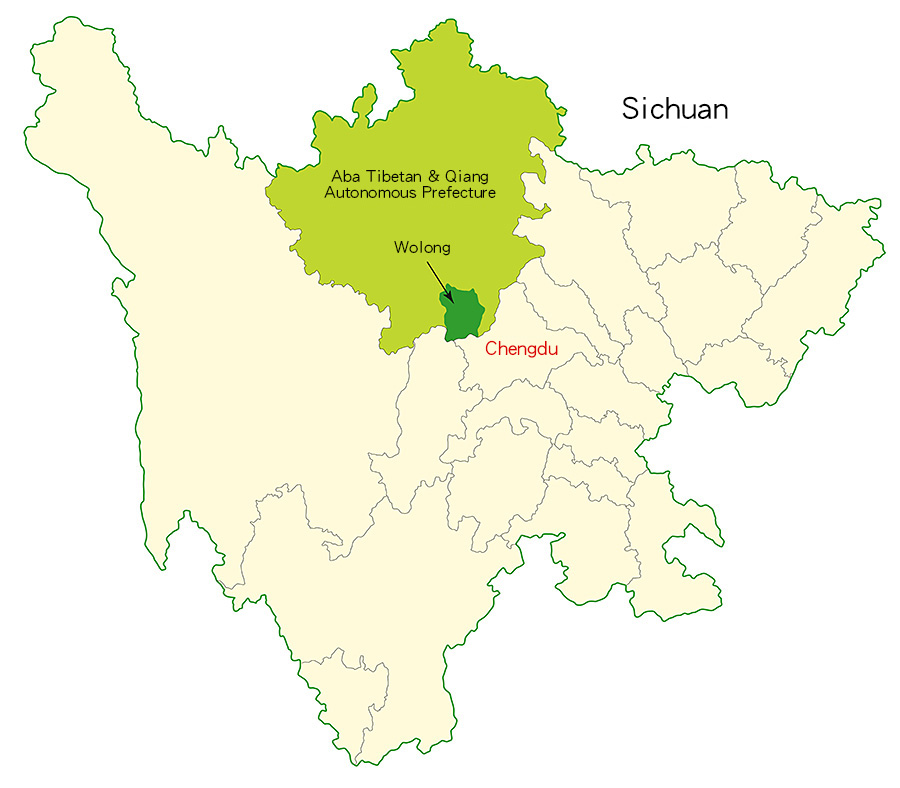
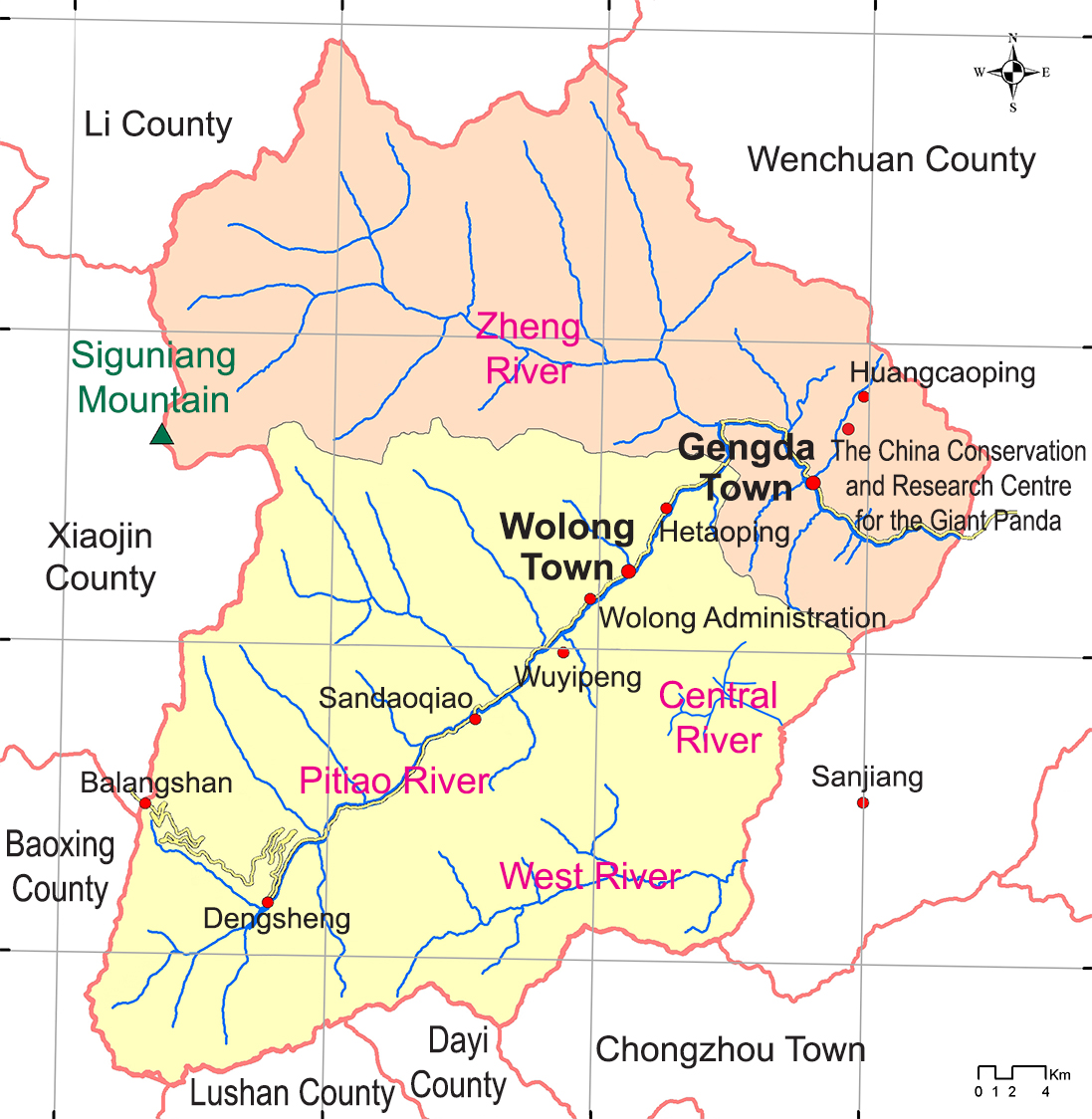
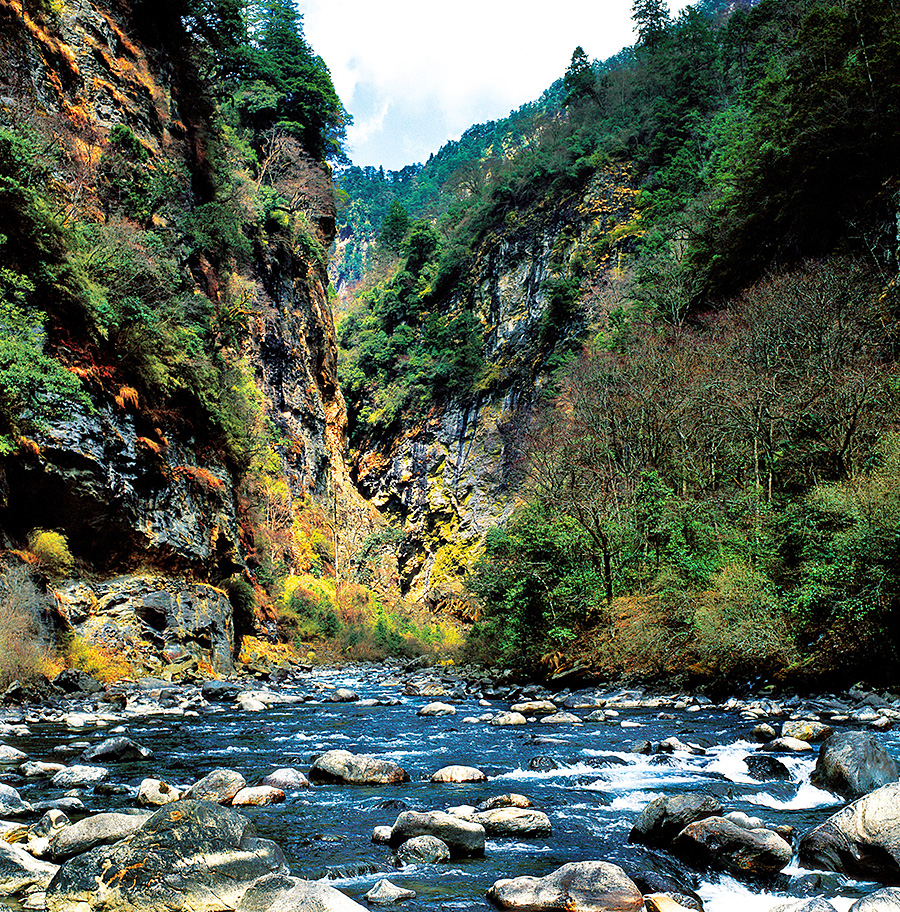
- Wolong is sited within Sichuan Basin near the western Sichuan-Tibet Plateau transition zone. Its landforms are mainly composed of mountains and valleys, with reducing terrain from northwest to southeast.
- It has over 101 high mountains with levels more than 5000 meters. The highest one is Siguniang Mountains with highest peak at 6250 meters which is the second highest peak in Sichuan Province. The lowest level is situated at Mujiang Ping is eastern part with only 1150 meters high.
- The mountain is mainly composed of limestone, phyllite, gneiss, quartzite, schist, slate
- The main rivers are Pitiao River, Zheng River, Central River and West River
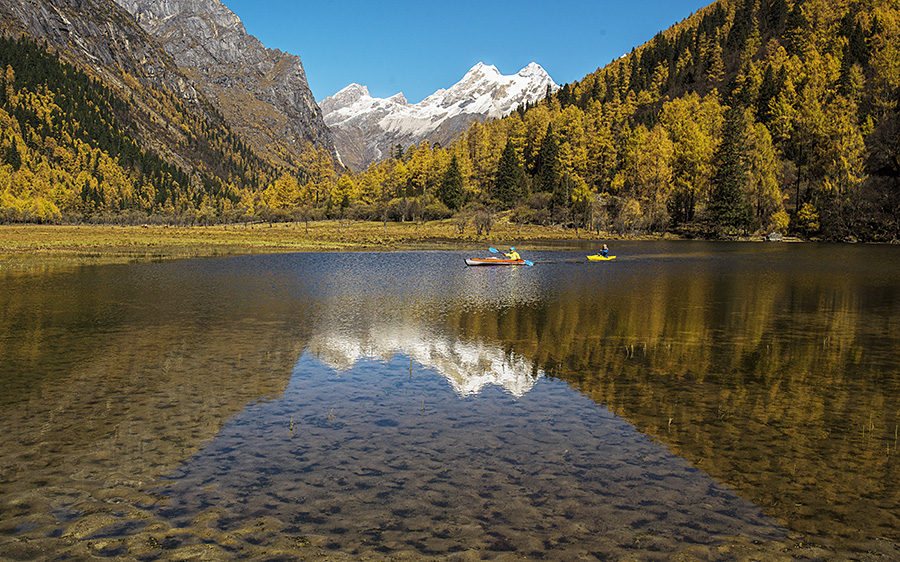
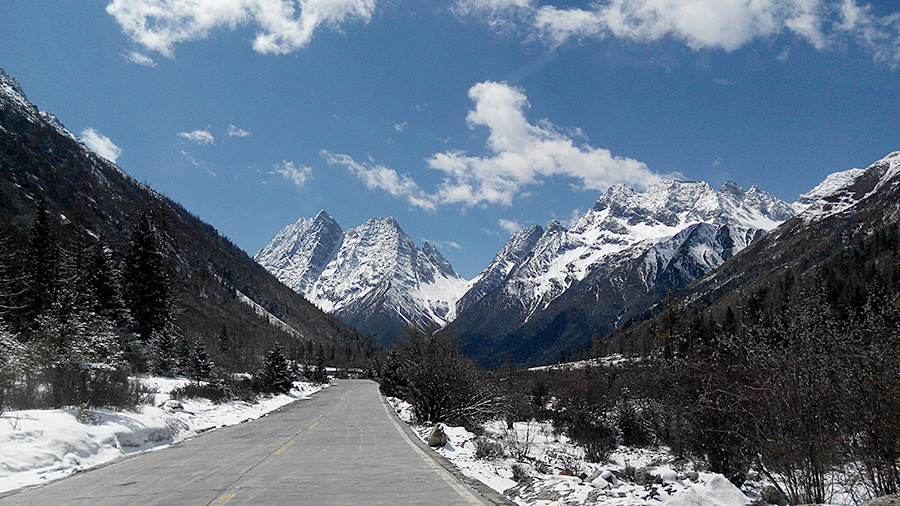
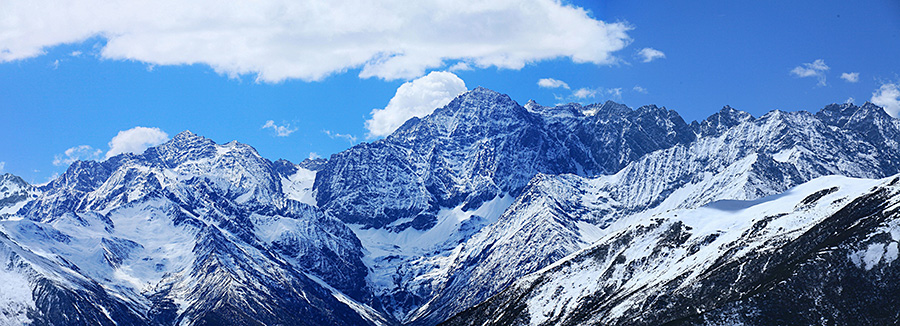
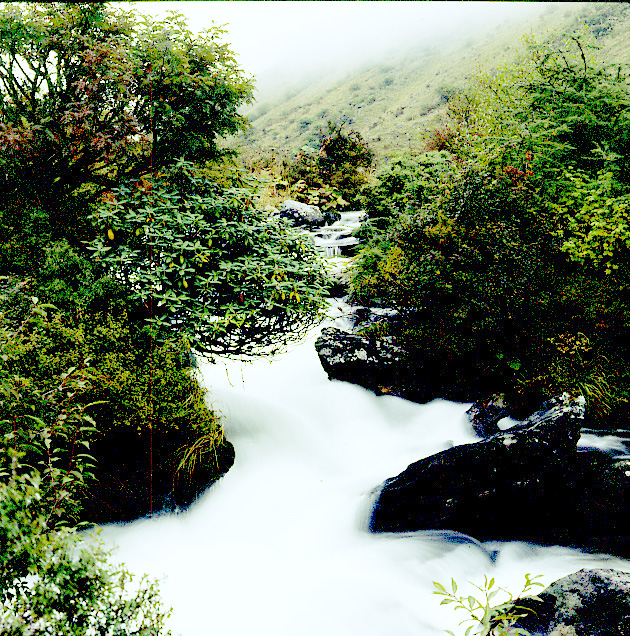
- Located in the core area of the Qionglai Mountain giant panda habitat, Wolong is the most important primitive habitat for the giant pandas. It is the greatest reserve with the largest number of giant pandas
- According to the 3rd survery of giant pandas in Year 2000, there are 143 giant pandas in the region, accounting for about 10% of the total number of giant pandas, mainly in the West River, Central Rilver, Pitiao and Zheng River
- To view the live broadcast of "iPanda", please click here.
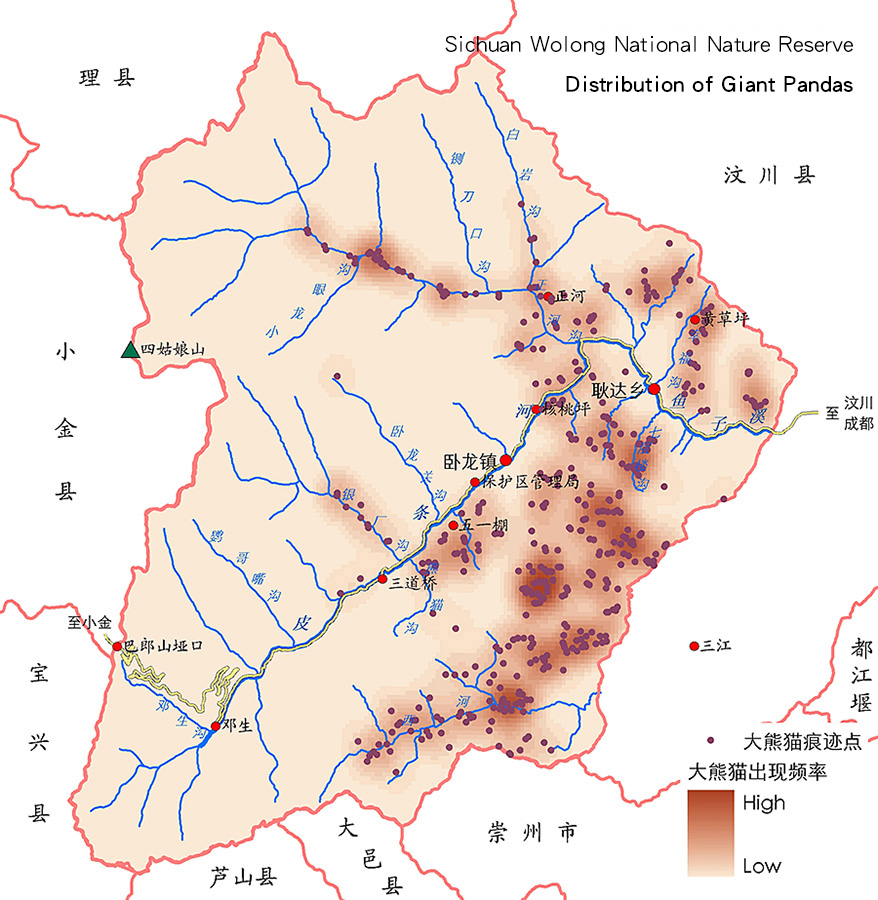



- The comprehensive vertical vegetation spectrum, abundant biological species, numerous relict species and unique high mountain system together make Wolong become the "convergence zone" and key area of biodiversity conservation in China.
- Wolong forests have great variety of vegetation, from subtropical to tropical plants. There are more than 4000 species of plants including chlorarachniophytes, ferns, gymnosperms and angiosperms. Within which include National key protected plants, valuable and endangered plants enlisted to be protected by the Nation, as well as endemic plants in China
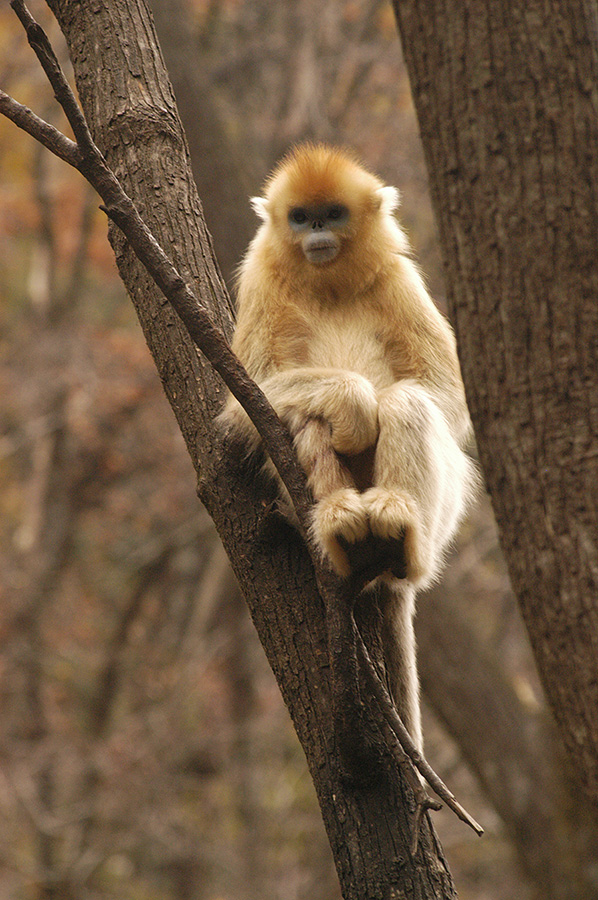
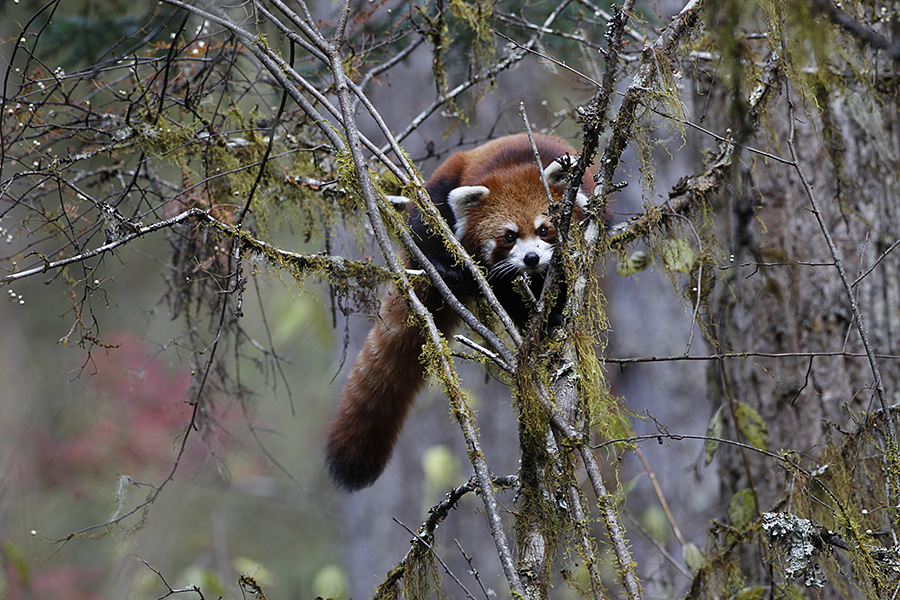
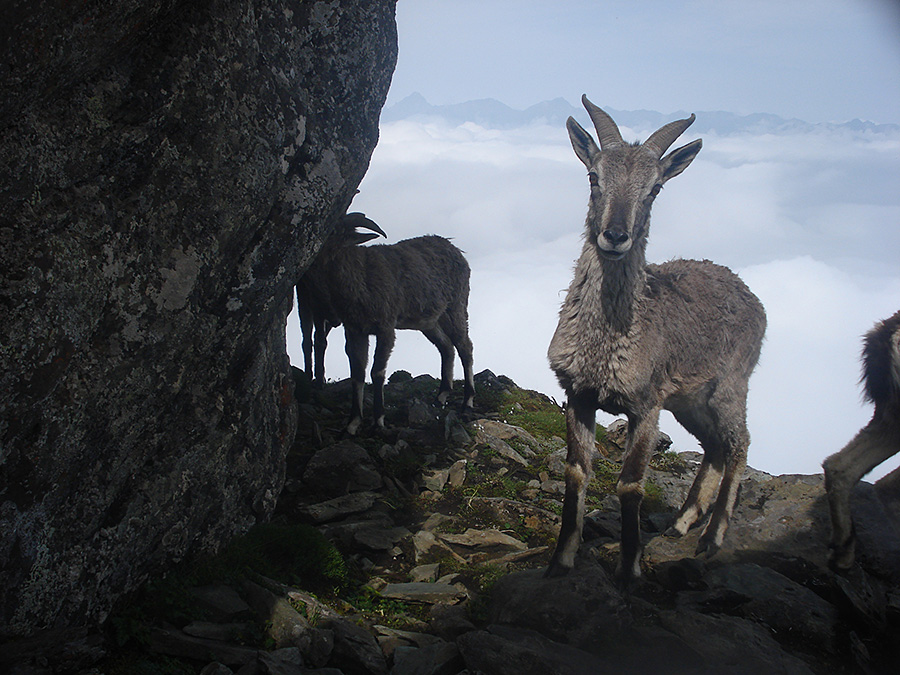
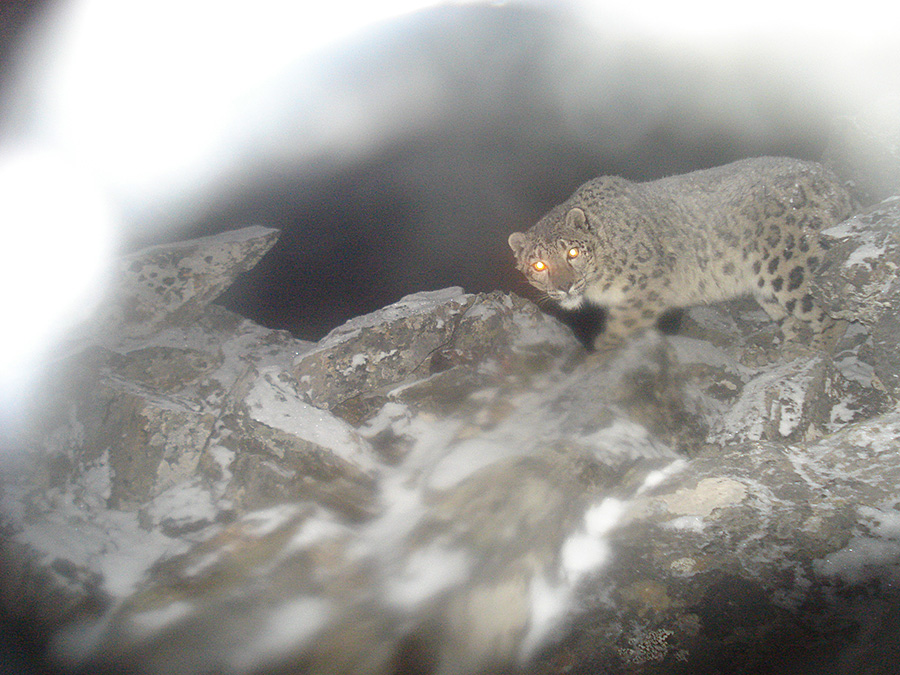
- There are about 2,150 species of wildlife in the reserve, including 450 species of vertebrates and about 1,700 species of insects. Some of them are the national key protected wild animals
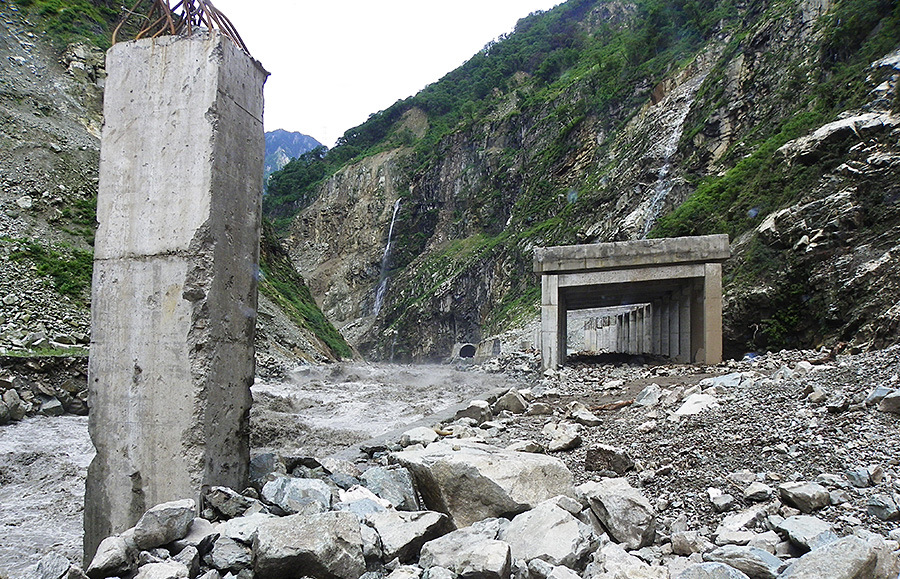
- Wenchuan County of Sichuan Province in China suffered a devastating massive earthquake of Richter 8 at 2:28pm on 12 May,2008 resulted in widespread damage. It was felt far away from Hong Kong and Macao, even to Taiwan, India, Pakistan and Russia
- The epicenter is located at the junction of Wolong National Nature Reserve and Yingxiu town of Wenchuan County. Farthest straight line
- distance of Wolong residents from the epicenter is less than 20 km
- The earthquake killed 129 people, 6 people missing, 35 seriously injured; In addition, a captive giant panda died, 1 missing and 1 injured
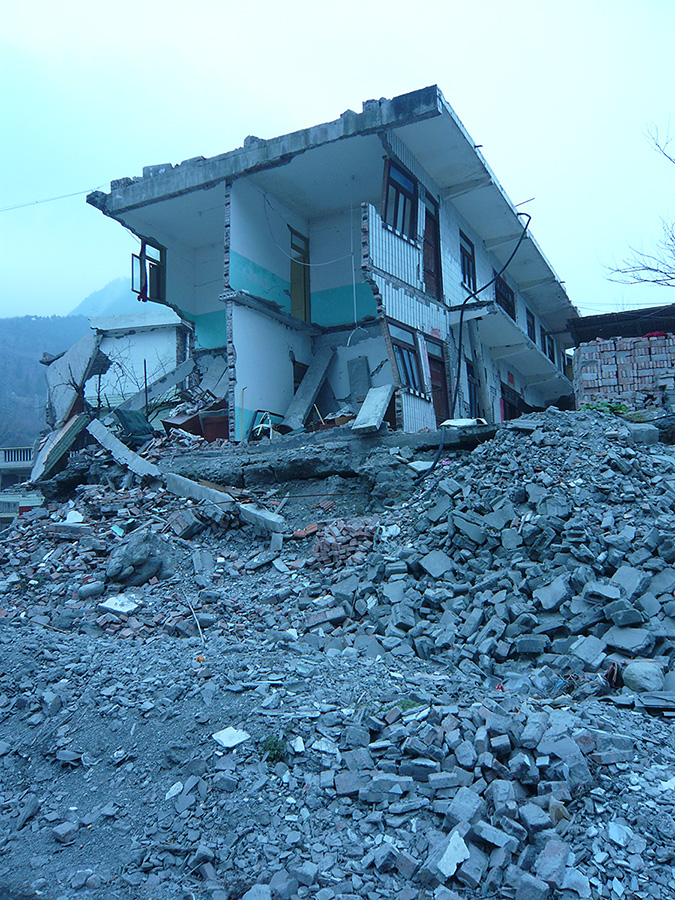
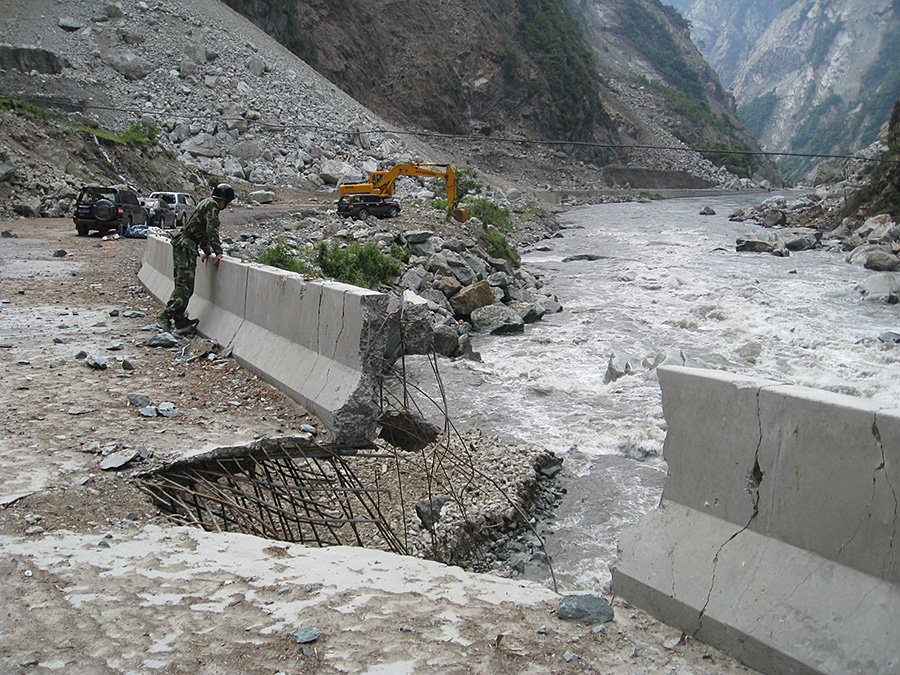
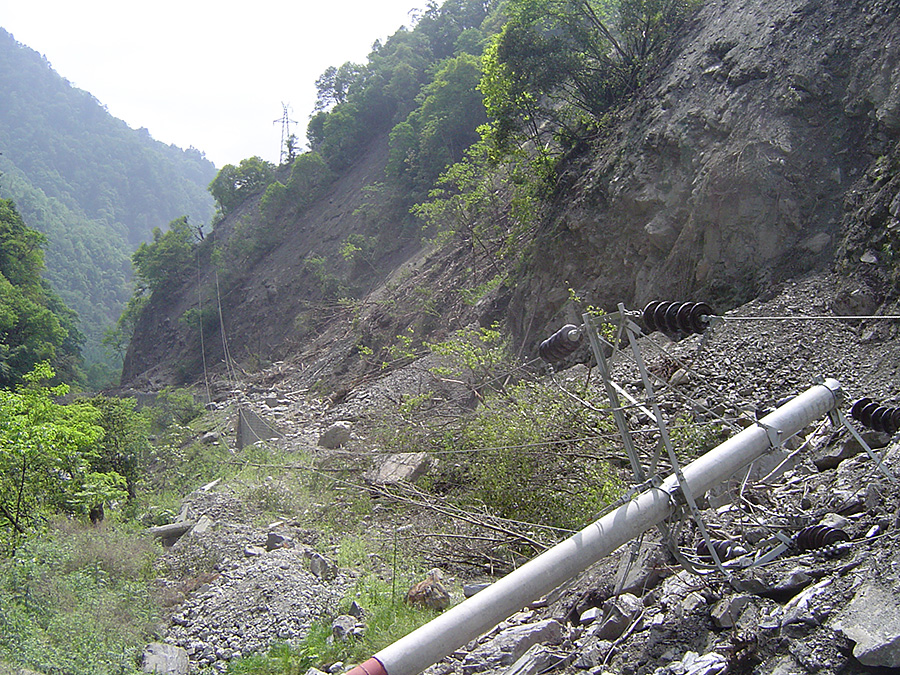
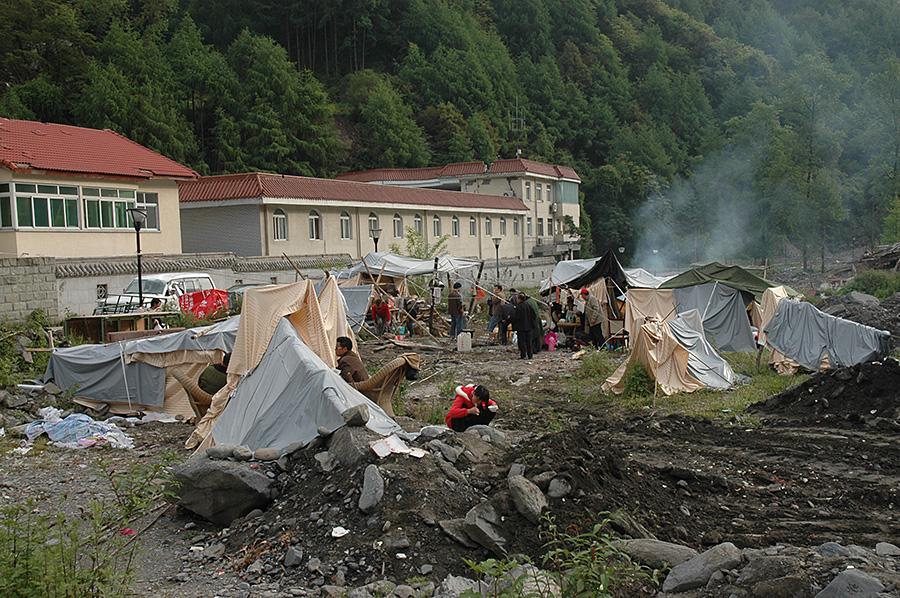
- The region's transportation, communications networks, water and electricity supply are completely disrupted. It suffers from shortage of
- food, medicine and serious infrastructure damage including the giant panda research and captive facilities
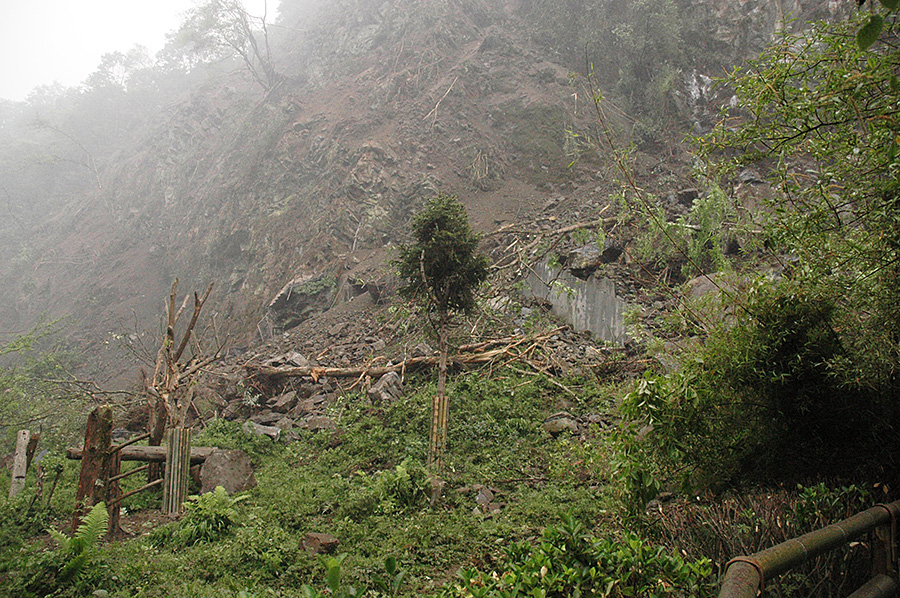
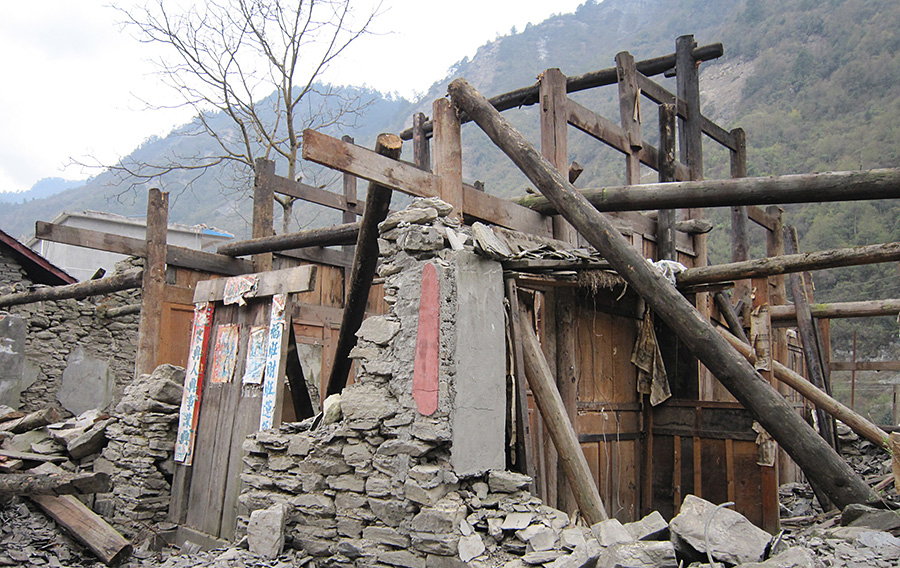
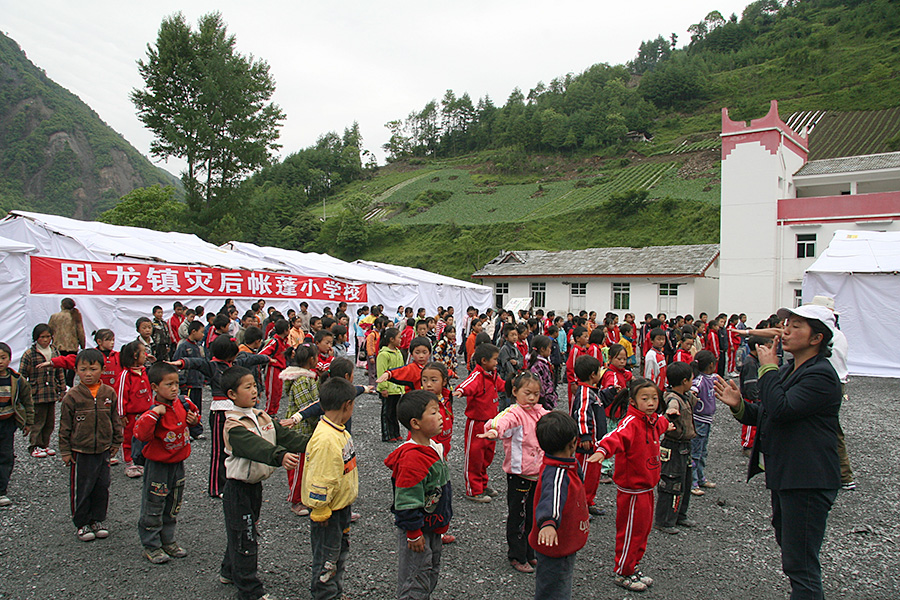
- More than 98% of the houses collapsed or become dangerous; 127.5 hectares of arable land is destroyed. An area of 4259 hectares of wild
- giant panda habitats was destructed
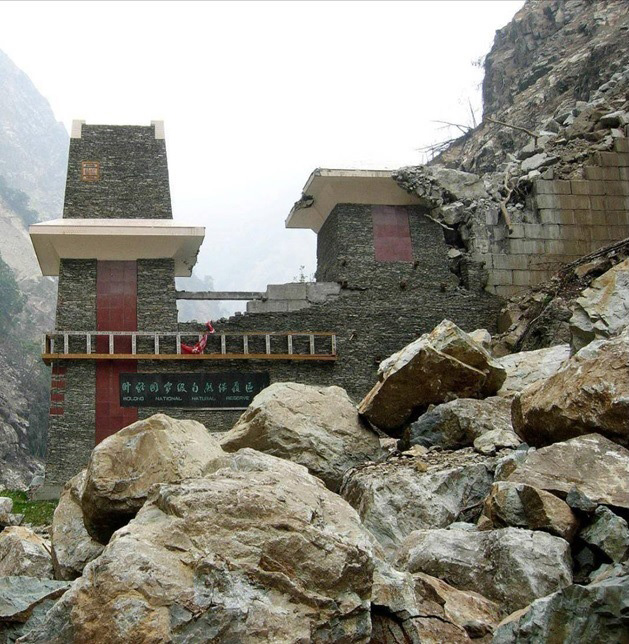
- The very important stations at Delamu – Old Street at Wolong Guan, Lama Temple and other local cultural heritage were all destroyed
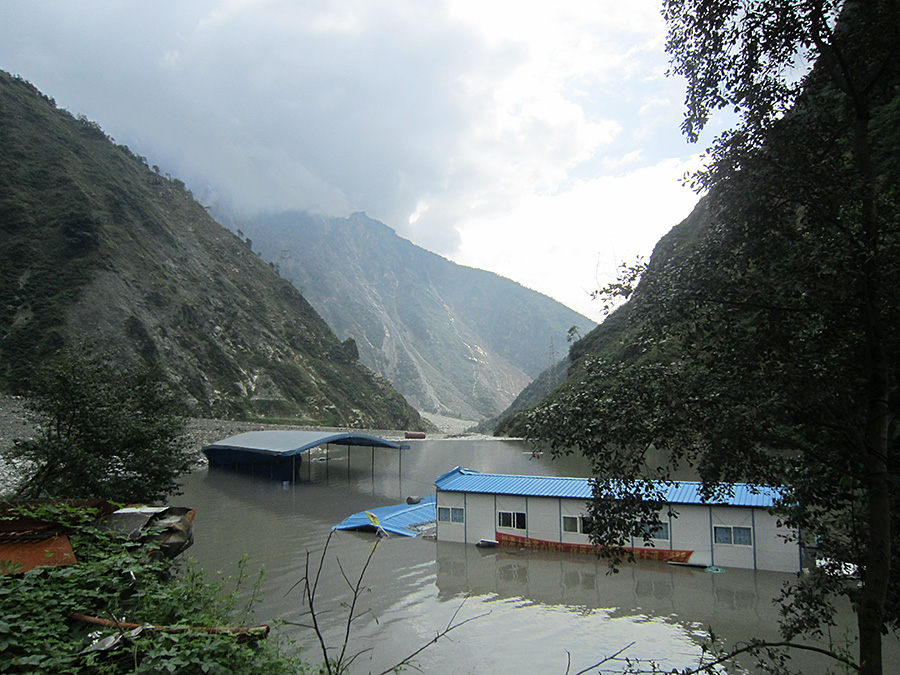
- The earthquake also caused the secondary disasters such as flying rocks, debris flow, landslides, and dammed lakes
- Direct economic losses amounted to RMB 1.947 billion
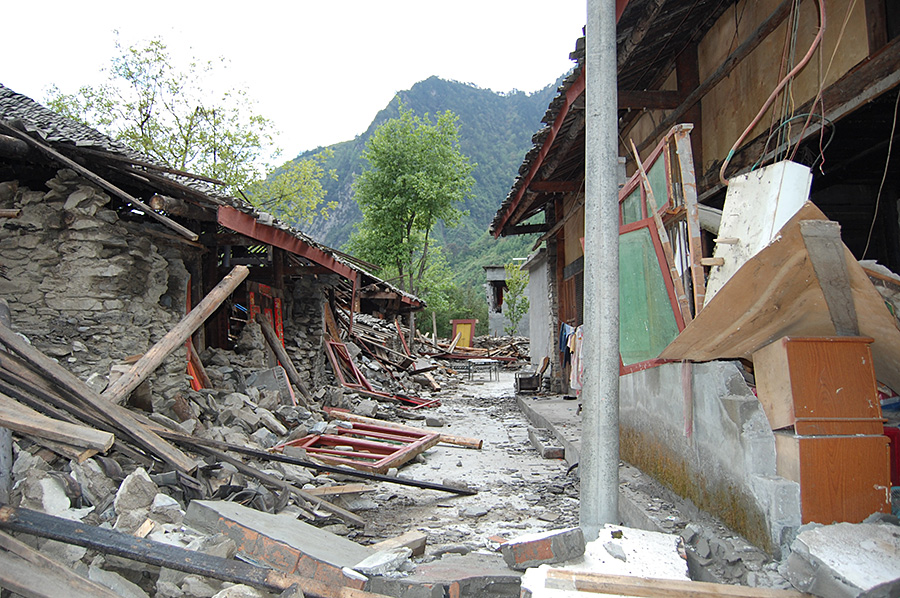
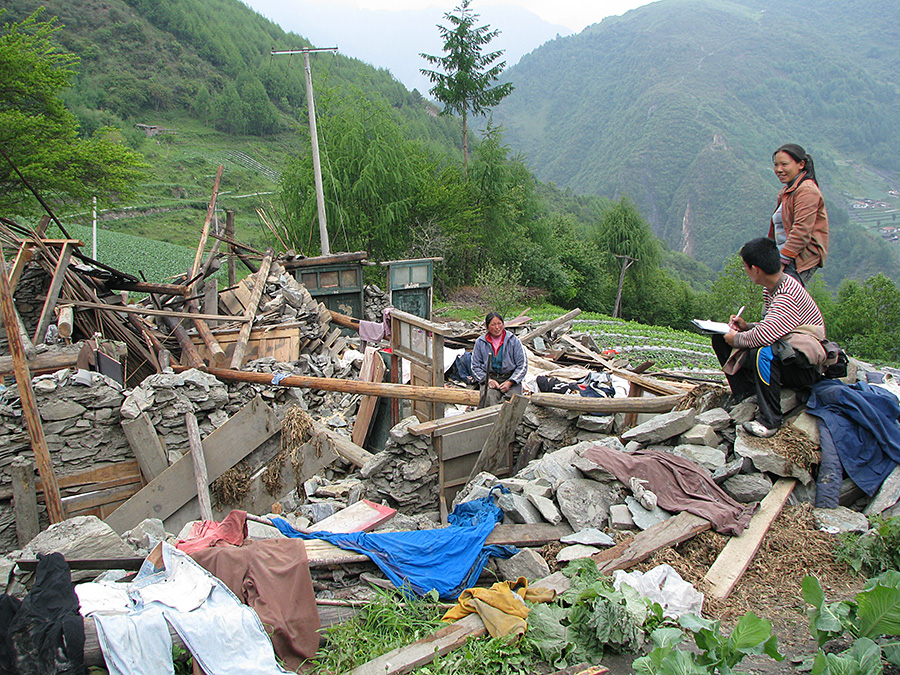
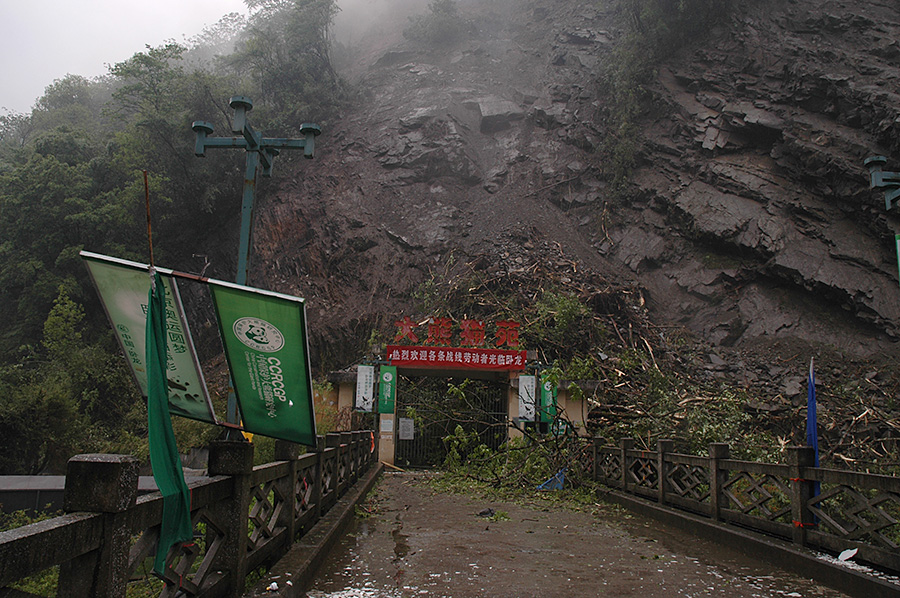
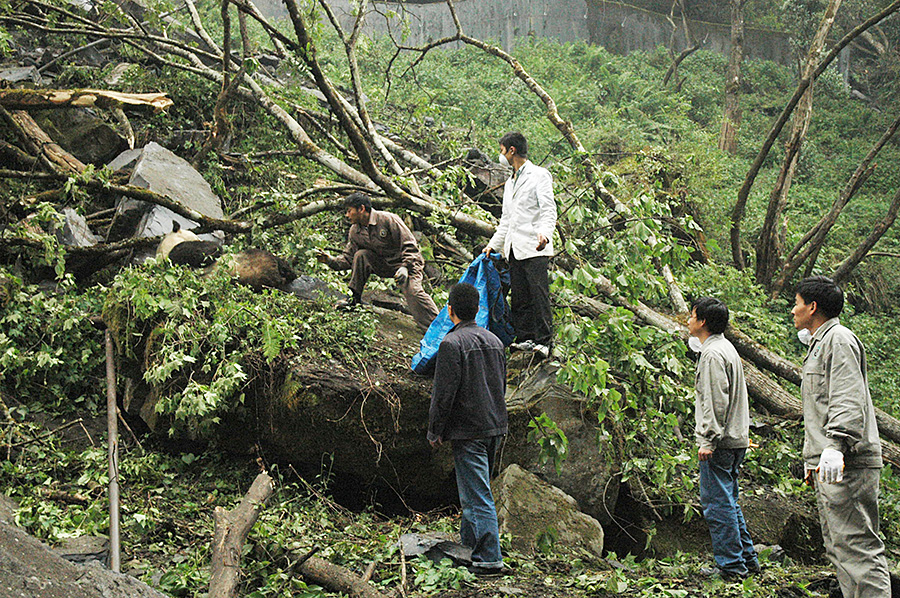
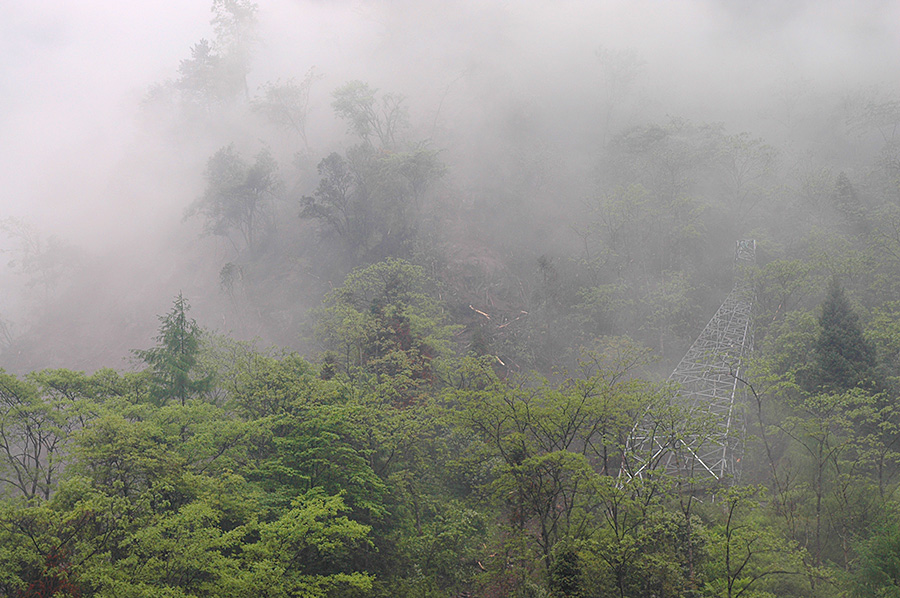
# some photos were provided by Wolong Administration